
Car Interior Upholstery Design: The Fusion of Comfort and Aesthetics
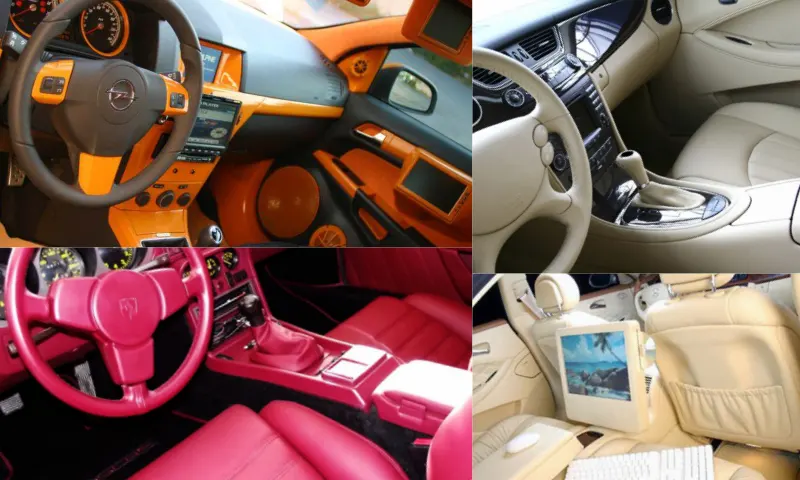
Car interior upholstery design is a crucial element that directly impacts the driving experience of vehicle owners. Interior upholstery, designed both aesthetically and functionally, makes the vehicle's interior more comfortable, stylish, and practical. Car interior upholstery creates a space where the driver and passengers can spend time comfortably during long journeys. Car interior upholstery is typically made from materials such as leather, fabric, vinyl, aluminum, wood, and plastic. While leather is preferred for its elegance and durability, fabric creates a warmer and more comfortable feel. High-quality leather upholstery is used especially in luxury cars, while fabric upholstery is more common in mid-segment vehicles. Vinyl is frequently used in car interior upholstery due to its resistance to water and stains. Furthermore, environmentally friendly and sustainable materials have also begun to find a place in interior design today. Natural fabrics and recycled materials stand out as environmentally conscious choices in car interior design.
The Impact of Car Interior Upholstery Design on Comfort
Interior upholstery design has a significant impact on driving comfort. Passengers' comfort during driving is directly related to the ergonomic structure of the design. The seat angles, backrest positions, and layout help reduce pressure on the body during long journeys. Additionally, the soft and supportive properties of the materials used in interior upholstery enhance the comfort of the driver and passengers. Upholstery that reduces noise during travel improves the acoustic environment inside the vehicle. Furthermore, the quality of the materials used also helps maintain the temperature balance inside the vehicle. For example, fabrics that prevent hot air from entering the vehicle on hot summer days, and retain heat inside on cold winter days, increase comfort.
The Balance of Aesthetics and Functionality: The Role of Design
In car interior upholstery design, aesthetics are often blended with functionality. Colors, textures, and patterns stand out as elements that personalize the vehicle's interior. In luxury cars, special design stitching, leather coverings, and unique color combinations enhance the aesthetic value of the vehicle, while in daily use, easy-to-clean and durable materials are preferred. The harmony between the exterior design and the interior is also important. Designers pay attention to the interior upholstery being compatible with the car's exterior colors and lines. This balance ensures both aesthetic appeal and a spacious appearance for the interior. Additionally, functional mechanisms used in interior upholstery design increase the ease of use of the vehicle, providing practicality in daily life. Car interior upholstery design shapes the driving experience both visually and functionally. The right material selection, ergonomic design, and aesthetic harmony ensure that car owners have a comfortable and stylish driving experience for many years.