
How to Protect Your Structured Cabling Network?
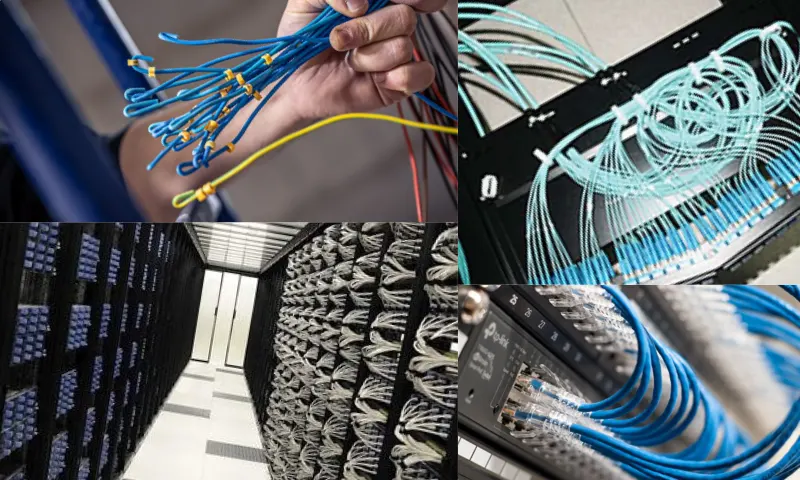
Structured cabling forms the backbone of modern network systems, providing a reliable and robust infrastructure for data transmission. The physical security of structured cabling systems plays a crucial role in protecting your network. Physically protecting cables and connection points prevents them from damage and unauthorized access. Cables must be laid within appropriate enclosures, protected by using conduits within walls or cable trays. Furthermore, it is also important that cabling cabinets and distribution panels are locked and accessible only to authorized personnel. Physical security measures prevent cables from being damaged accidentally or intentionally, which ensures the continuity of your network. For information on this subject and to ask your questions, you can look at the relevant online companies on the internet pages and examine them in detail from here.
Regular Maintenance and Inspection in Structured Cabling Use![yapısalkablo-2-li-3]()
Regular maintenance and inspections of structured cabling systems are critical to protect the security and performance of your network. Periodic checks of cables, connection points, and equipment allow for early detection of potential problems. During these checks, issues such as cable wear, loose connections, and signal loss should be identified and corrected. Additionally, regular inspections help ensure compliance with cabling standards and company policies.
Signal and Data Security in Structured Cabling Use
Signal and data security in structured cabling systems is another important factor in protecting the network. External factors such as electromagnetic interference (EMI) and radio frequency interference (RFI) can cause disruptions in data transmission. To protect against such interference, appropriate cabling methods and protective sheathing should be used. Furthermore, firewalls, network monitoring systems, and data encryption techniques should be implemented to protect the network against unauthorized access. Data encryption is essential, especially for ensuring the security of sensitive information. Signal and data security measures protect the integrity and confidentiality of your network.