Industrial Automation
How is Industrial Automation Done?
After the Industrial Revolution, machines were included in the production process. While simple machines were used for production in the previous period, after the Industrial Revolution, motorized and high-powered machines began to be produced and used for every sector. You can visit the page for detailed information. As a result of the use of these powerful machines together, industrial automation entered our lives. Like the emergence of machines, automation technologies also aim to reduce the intensive labor needs, especially in industry. In short, the main purpose of automation is to minimize the need for labor, thereby eliminating losses caused by human error and ensuring that machines use time in the most optimal way.
What are the Benefits of Industrial Automation?
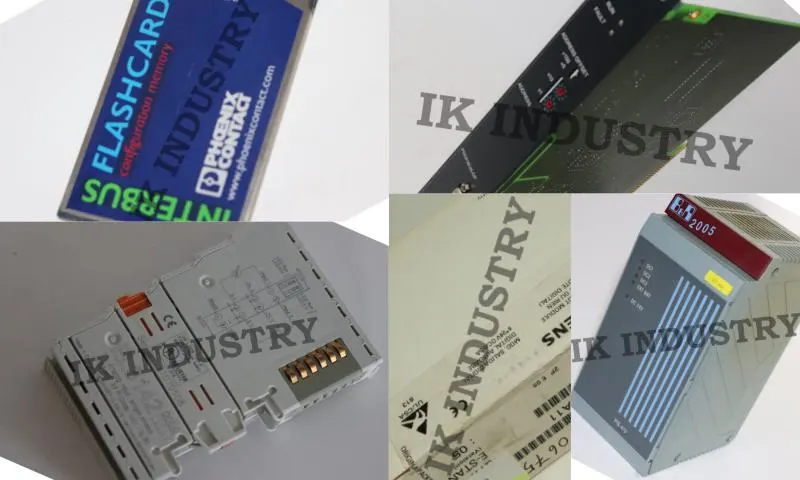
Industrial automation is present in many things we see around us. In this context, as a general definition, all machines that perform the tasks done by humans faster and more comfortably are included in this automation. In other words, ATMs or the white goods we use in our homes are examples of this. However, for automation at the industrial level, individuals must first calculate how to perform a unit of work in the fastest way with the machines they have and the workers. After the calculation, the machines must be made to work in harmony with each other without wasting time, and the human factor should be tried to be removed from the production process. To achieve automation, you can ensure that the work done by many workers with errors and mistakes is done completely error-free by including PLC-programmed devices in the production sector. The benefits provided by industrial automation systems, whose area of use is constantly expanding, are innumerable. The most general benefit of industrial automation is the elimination of errors and disruptions in the production process by minimizing the impact of the human factor on the production process. In addition, since it is not affected by seasonal conditions, it ensures that production is continuous and at the same level, allowing the user to make long-term plans.