
The History of Hacivat and Karagöz
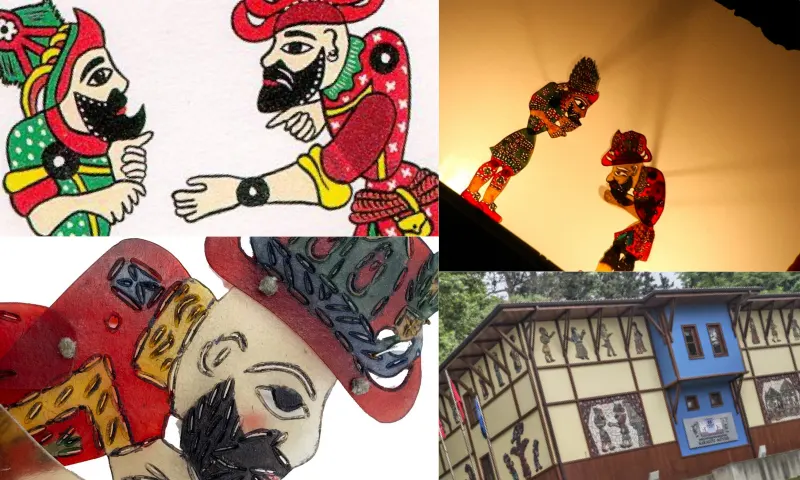
Hacivat and Karagöz are among the most important shadow plays in Turkish folk culture. Although there are various theories about their origins, they are thought to have first emerged during the Ottoman Empire period. This shadow play, popular among the people, is a beloved source of entertainment in Turkish society. While Hacivat and Karagöz took a backseat with the spread of new media types like cinema and television in the 20th century, they are still a part of Turkish culture.
Features of the Hacivat and Karagöz Play
Hacivat and Karagöz is a shadow play performed using dialogues and shadow figures of two characters. A shadow play consists of a light source placed on a screen and two-dimensional figures. During the play, Karagöz is generally depicted as a jester, while Hacivat is portrayed as a more serious character. Other features of the play include music and dance performances, humor, songs, and stories. Popular characters among the other characters in the play include Tuzsuz Deli Bekir, İbiş, and Tiryaki.
The Cultural Importance of Hacivat and Karagöz
Hacivat and Karagöz hold an important place in Turkish culture. The performances are still popular among the Turkish people, especially at weddings, holidays, and other celebrations. Hacivat and Karagöz convey many messages in Turkish culture. While the plays touch upon social and political issues, they also convey educational and instructive messages through humor. Furthermore, Hacivat and Karagöz emphasize family unity and solidarity in Turkish culture.
In conclusion, Hacivat and Karagöz is a shadow play that holds an important place in Turkish folk culture. The origins of the play date back to the Ottoman Empire period, and it remains popular in Turkish culture today.