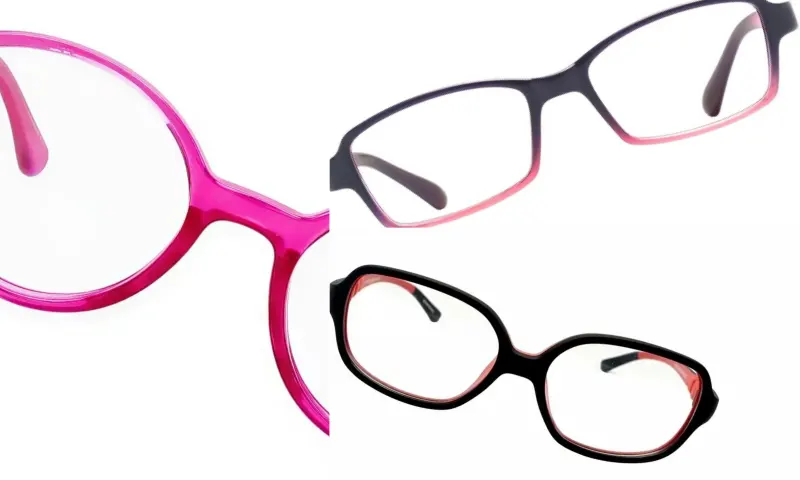
Why Should Lens Quality Be the Top Priority When Choosing Children's Optical Glasses?
During our children's growth processes, we closely monitor their physical and mental development at all times. However, one of the most fundamental factors that directly affects many aspects, from school success to social adaptation, is undoubtedly their vision quality. Vision problems that are not detected or not properly supported at an early age prevent children from perceiving the world clearly and slow down their learning processes. At this point, proceeding with professional steps and producing solutions that are suitable for their sensitive facial anatomy requires great care. Ck Optik, known for its long-standing experience in the sector, brings together safe and modern alternatives that clarify the world of children with parents at
https://www.ckoptik.com/cocuk-optik-gozluk.
The Role of Flexibility and Lightness in Children's Optical Glasses Models
When purchasing children's optical glasses, the most important aspects to pay attention to are the structure and durability of the lenses. Lenses used by children who run at school all day, play with their friends, and are constantly on the move must show maximum resistance to impacts. Polycarbonate or special organic lens technologies that do not scatter fragments when broken and do not pose a risk of injury are the safest option for these age groups. Furthermore, the fact that children are frequently exposed to digital screens such as tablets, computers, and interactive whiteboards in today's world must be taken into account. The inclusion of blue light filters and anti-reflective coatings in lens selection prevents artificial lights reflected from screens from tiring the eyes. Thus, eye muscles are not unnecessarily strained while studying or spending time in the digital world, and problems like headaches and focusing issues are minimized. After deciding on the right lens technology for children's optical glasses, it is necessary to focus on the frame structure that will ensure the child accepts this product. Frames that are stiff, inflexible, and made of heavy metals restrict children's freedom of movement and can cause irritation on the nasal bone and behind the ears. Instead, flexible frames that do not break when bent, completely flexible, and anti-allergic silicone or special acetate materials that do not harm the skin should be preferred. The feeling of lightness is the biggest hidden factor in a child's acceptance of wearing glasses on their face. Thanks to ergonomic designs that they don't feel on their face and that don't slide off their face while running, children can live their childhood without being restricted. When the right frame and lens combination is achieved, the improvement in vision quality will positively reflect on the child's self-confidence and desire to explore the world in a very short time.