
The Power of Habits

Habits are one of the fundamental building blocks of human life. Many actions we unconsciously perform in our daily lives are the result of our habits. Routines such as brushing our teeth when we wake up, drinking coffee, or using the same route to work are behaviors our minds perform automatically. Over time, habits become a part of our character and lifestyle. While positive habits help us lead a healthy and successful life, negative habits can reduce our quality of life. Therefore, consciously shaping our habits is an important factor that determines the course of our lives. For information on this subject and to ask questions you are curious about, you can examine the relevant online firms on internet pages and conduct a detailed review from here.
The Science of Habit Formation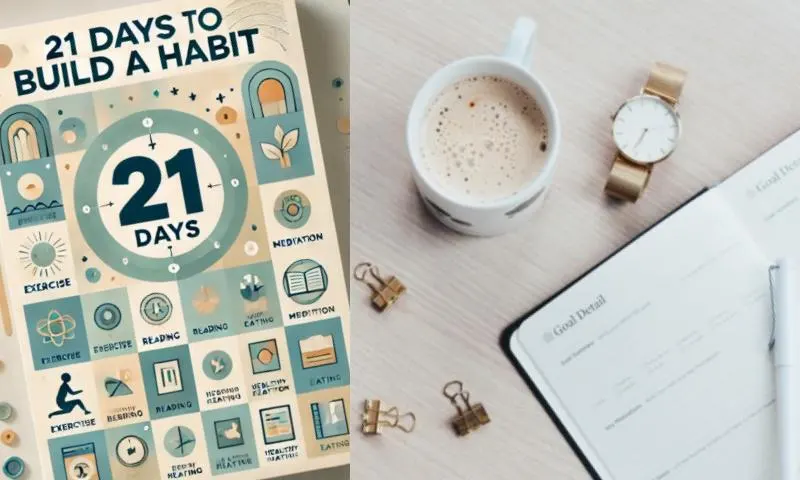
The formation of a habit is based on a cycle created by the brain. This cycle consists of three stages: cue, routine, and reward. For example, someone who wants to make exercising a habit can set a specific time for exercise as a cue. Over time, as this action is repeated, the brain accepts it as a routine, and the happiness or energy boost felt after the exercise is perceived as a reward. One of the most important points in habit formation is ensuring consistency. According to research, it takes an average of 21 to 66 days of regular repetition for a new habit to become permanent. Starting with small steps and maintaining motivation throughout the process are among the most effective ways to build habits.
Ways to Break Bad Habits
Bad habits can unconsciously settle into our lives over time, and it can be difficult to break free from them. However, there are effective ways to get rid of these habits. First, it is necessary to identify the source and triggers of the negative habit. For example, someone who constantly consumes junk food may realize that stress is the trigger, rather than hunger. Developing alternative habits is also an important way to break bad habits. For instance, someone with a smoking habit can develop healthy alternatives such as drinking water or taking deep breaths instead of smoking. Furthermore, seeking support during the habit change process and rewarding oneself are factors that increase motivation. Habits are an important part of our lives, and consciously managing them can greatly affect our quality of life. By acquiring positive habits and breaking free from negative habits, we can lead a healthier and happier life.