
What is Urban Transformation and Its Purpose

Urban transformation is a planning and renewal process carried out to adapt cities to evolving needs and modern living standards. Within the scope of this process, new residences, workplaces, and social areas are built in place of old, earthquake-prone, or socially inadequate structures. The main goal of urban transformation is to create safe living spaces and to ensure the aesthetic and functional development of cities. Furthermore, urban transformation offers a significant opportunity to address infrastructure deficiencies, and to make arrangements for green spaces and transportation. Especially in large cities, population density and the stock of old buildings increase the importance of urban transformation. This process requires a holistic approach in terms of urban planning, architectural design, and environmental arrangements. Urban transformation projects not only renew the physical structure but also contribute to improving urban quality of life. For information on this subject and to ask your questions, you can look at the relevant online firms on internet pages and conduct a detailed review from here.
Urban Transformation Process and Implementation Steps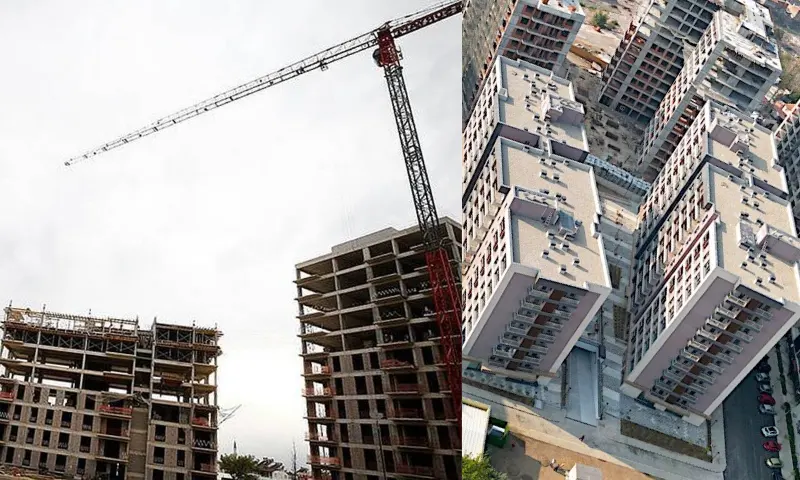
Urban transformation projects are carried out in accordance with a specific plan and stages. First, risky areas are identified and the condition of existing buildings is analyzed. Earthquake-unsafe or unhealthy structures are determined, and legal procedures are initiated. During the urban transformation process, negotiations are held with rights holders, necessary permits are obtained, and relocation processes are planned. When preparing new building projects, modern architectural standards, energy efficiency, and environmental impacts are taken into consideration. Additionally, social areas, parks, roads, and infrastructure improvements are included in the projects within the scope of urban transformation. Throughout the process, municipalities, construction companies, and urban planners work together to ensure the safe and rapid completion of projects. Urban transformation applications play a critical role in planning cities to adapt to the future.
Benefits and Societal Impacts of Urban Transformation
Urban transformation contributes positively to urban life in many ways. Firstly, it helps create safe structures against the risk of earthquakes and natural disasters. Also, modern and aesthetic structures beautify the city skyline and improve the quality of life. Urban transformation also supports social life through the improvement of infrastructure, transportation, and social areas. While new housing projects create economic value, they contribute to the development of trade and tourism in the region. Moreover, urban transformation can also have an effect on neighborhood solidarity and social relations; the modernization of living spaces can increase social interaction. However, the process must be carried out with respect for planning and the rights of rights holders. When implemented correctly, urban transformation stands out as an important mechanism that ensures the sustainable development of cities, both physically and socially.