
Web Design: The Digital Face of the Modern World

The internet has become an indispensable part of our lives today. A website is no longer a luxury but a necessity for businesses, brands, and individuals. Web design is one of the most crucial steps in this process. Good web design enhances user experience, strengthens brand reputation, and captures the attention of your target audience. So, what should be considered for effective web design? In this article, we will examine the fundamental elements of web design under three main headings. You can check out relevant online companies on web pages for information on this topic and to ask your questions, and conduct a detailed review from there.
User-Friendly Design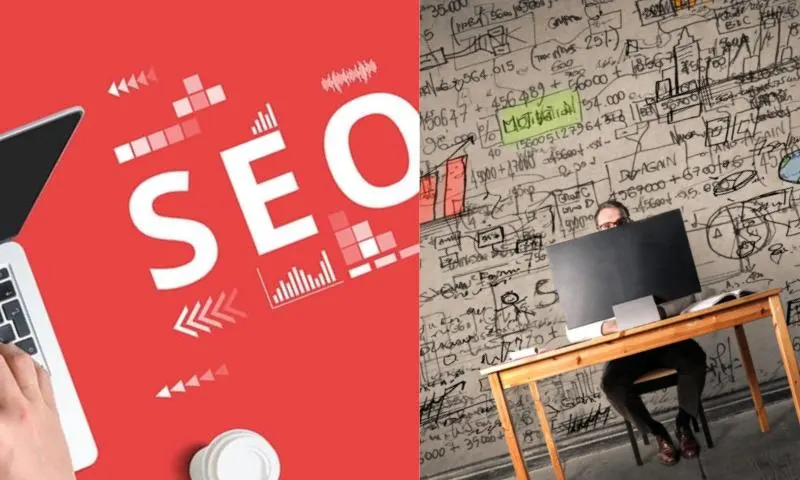
One of the most important goals of web design is to ensure that users can navigate the site easily. A user-friendly design allows visitors to use the site quickly and smoothly. Some elements to consider for this are:
- Simple and Understandable Navigation: Easily discoverable menus and links allow users to quickly access the information they want.
- Fast Loading Times: Users quickly leave sites that load slowly. Therefore, it is important to increase site speed by using optimized images and code.
- Mobile Compatibility: A large portion of internet users today access websites via mobile devices. Therefore, it is of great importance that your website works seamlessly on mobile devices.
Visual Appeal and Brand Identity
A website should not only be functional but also visually appealing. The design should reflect your brand's identity and be appropriate for your target audience's expectations. Things to consider at this point:
- Color Choice: Colors have psychological effects on users. By correctly using your brand's colors, you can both create a consistent identity and enable users to form an emotional connection.
- Typography: Readable and harmonious fonts help users consume content easily. Additionally, font choice should reflect your brand's character.
- Use of Visuals and Videos: High-quality images and videos make your site look more professional. However, it is important not to slow down the site speed by paying attention to the sizes of these visuals.
SEO-Friendly Design
Web design should be optimized not only visually and functionally but also for search engines. SEO (Search Engine Optimization) helps you attract organic traffic by ensuring your site ranks high in search engines. For an SEO-friendly design, you can pay attention to the following points:
- Meta Tags and Titles: Page titles and meta descriptions help search engines understand your site. Therefore, you should create effective meta tags by correctly using your keywords.
- Content Management: Quality and original content are of great importance for both users and search engines. By regularly updating your content, you can ensure your site stays current.
- URL Structure: Simple and understandable URLs are more accessible for both users and search engines. Additionally, you can increase your SEO performance by using keywords in your URLs.
Web design is a process that directly affects the success of a website. A user-friendly design, visual appeal, and SEO compatibility enable a website to reach its target audience and interact with them. If you are designing a website or considering having one designed, you can achieve a successful outcome by considering these three fundamental elements. Remember, good web design is the first step to making a difference in the digital world!